



Nagoya Damo Frog
The Nagoya Damo Frog, also known as the Nagoya Damo Frog in Chinese, is a species of amphibian belonging to the family Ranidae and the genus Cichlidae. It is a unique frog species in Japan, distributed from the East China Sea to the coast of the Seto Inland Sea. The Nagoya Damo frog is traditionally divided into two local forms: the Okayama form in the west and the Nagoya form in the east. These two forms differ genetically, but their distribution range is still unclear, so they have never been defined in taxonomy.

Black spotted side folded frog tadpole
The Black spotted Side Fold Frog is a species of amphibian belonging to the family Ranidae and the genus Side Fold Frog. It is distributed in some areas of Russia adjacent to the Heilongjiang River Basin. It can also be seen in Xizang, Qinghai, Gansu, Sichuan, Xinjiang and other provinces and regions in China. It inhabits paddy fields, ponds, lakes and marshes in plains or hills, as well as mountainous areas below 2200 meters above sea level.

Pelophylax nigromaculata
The Black spotted Side Fold Frog is a species of amphibian belonging to the family Ranidae and the genus Side Fold Frog. It is distributed in some areas of Russia adjacent to the Heilongjiang River Basin. It can also be seen in Xizang, Qinghai, Gansu, Sichuan, Xinjiang and other provinces and regions in China. It inhabits paddy fields, ponds, lakes and marshes in plains or hills, as well as mountainous areas below 2200 meters above sea level.

The Island Brown Frog
The Tsushima Island brown frog, also known as the Tsushima Island leopard frog, is a species belonging to the amphibian class, order Anura, family Ranidae, and genus Ranidae. This species was initially described as a new species by Stejneger in 1907 based on a male specimen (USNM 17519) from Mikayama, Kamida cho, Nagasaki Prefecture, Japan. The altitude of the collection site for this specimen is 160 meters.
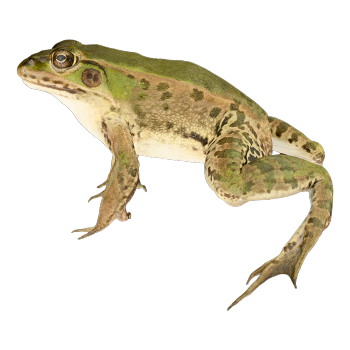
Damo Frog
The wild habitats of the Damo frog include temperate grasslands, rivers, wetlands, ponds, irrigated farmland, waterways, etc. The average size of male frogs is about 3.5-6.2 centimeters, while the average size of female frogs is 3.7-7.3 centimeters. The length of the larvae (i.e. tadpoles) can exceed 5 centimeters. There are significant black spots on the back of the adult, and their jumping ability is poor due to underdeveloped hind limbs.

Japanese forest frog
The Japanese forest frog (scientific name: Rana japonica) is a species of amphibian in the family Ranidae. Male frogs have a body length of 34-59mm, while female frogs have a body length of 39-67mm. Head length is greater than width; The snout end is blunt and pointed, located in the lower jaw. The snout edge is blunt, and the cheek is slightly inclined outward. The cheek surface is concave, and the nose is located between the snout and eyes. Near the snout end, the distance between the eyes is smaller than the distance between the nose, and the temporal folds are thin and weak. The eardrum is large and round. The plow bone teeth are located between the internal nostrils, sloping backwards towards the midline without touching each other. The tongue is oval in shape, with a free posterior end and deep incisions.

Damo Pond Frog
The scientific name of the Damo pond frog is Pelophalax porosus. It is a species of amphibian belonging to the frog family. The average body length of males is 3.5 to 6.2 centimeters, while the average body length of females is 3.7 to 7.3 centimeters.

Black spotted side folded frog male
The black spotted side folded frog is a species of amphibian in the family Ranidae, also known as the spiny male toothed frog or black frog. Head length is greater than head width; The snout is slightly pointed, the snout tip is blunt and round, protruding from the lower lip, the nostrils are in the middle of the kissing eye, and the distance between the noses is equal to the width of the eyelids; The eyes are large and prominent, with a narrow distance between them, smaller than the distance between the nose and the width of the upper eyelid; Short forelimbs, with forearm and hand lengths less than half of body length; The skin on the back is relatively rough, with obvious folds on the back side, and multiple longitudinal ridges of varying lengths between the folds. There are round warts and mole particles on the back, perianal area, and lower back of the thigh; Smooth belly surface. The back of the body has a variety of colors, including light green, yellow green, dark green, gray brown, etc., mixed with many black horizontal stripes of different sizes.
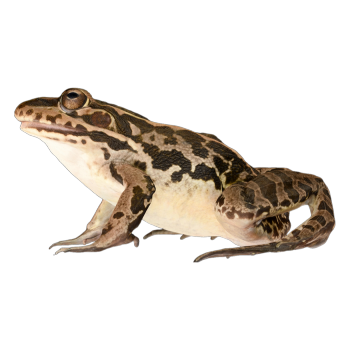
Black spotted side folded frog female
The black spotted side folded frog is a species of amphibian in the family Ranidae, also known as the spiny male toothed frog or black frog. Head length is greater than head width; The snout is slightly pointed, the snout tip is blunt and round, protruding from the lower lip, the nostrils are in the middle of the kissing eye, and the distance between the noses is equal to the width of the eyelids; The eyes are large and prominent, with a narrow distance between them, smaller than the distance between the nose and the width of the upper eyelid; Short forelimbs, with forearm and hand lengths less than half of body length; The skin on the back is relatively rough, with obvious folds on the back side, and multiple longitudinal ridges of varying lengths between the folds. There are round warts and mole particles on the back, perianal area, and lower back of the thigh; Smooth belly surface. The back of the body has a variety of colors, including light green, yellow green, dark green, gray brown, etc., mixed with many black horizontal stripes of different sizes.

frog
Frogs are amphibians belonging to the family Ranidae, with a slightly triangular head that grows wider; Large and protruding eyes; The forelimbs are short, the fingertips are blunt and pointed, the hind limbs are short and thick, and the toes are almost fully webbed. It is most common and abundant in the plains and hilly areas from North China to South China; It is also distributed in Japan, the Korean Peninsula, Russia and other places. Suitable for living in amphibious environments, it mostly inhabits low-lying and humid places such as rivers, ponds, streams, ditches, lakes, and shallow waters with abundant aquatic plants; During the day and at night, they move around and search for food; Both juvenile and adult frogs are carnivorous and typically prey on rice pests.

Frog skull
Frogs (a species of amphibian in the family Ranidae) have a slightly triangular head that grows wider; large and protruding eyes; short forelimbs, blunt toes, short and thick hind limbs, and almost full webbed toes; and a rough back. They are most common and abundant in plains and hilly areas from North China to South China, suitable for living in amphibious environments. They often inhabit low-lying and humid places such as rivers, ponds, streams, ditches, lakes, and shallow waters with dense aquatic vegetation. They are active during the day and night, searching for food at night. They are carnivorous and usually prey on small insects, but can also swallow fish meat and the organs of chickens, ducks, and fish.

Popular Models
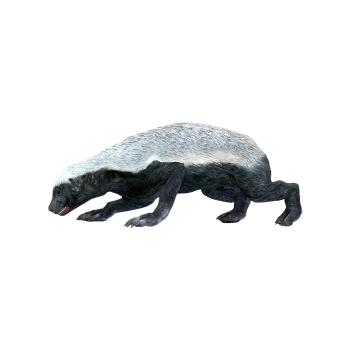
Honey Badger (3D animated model)
194 View
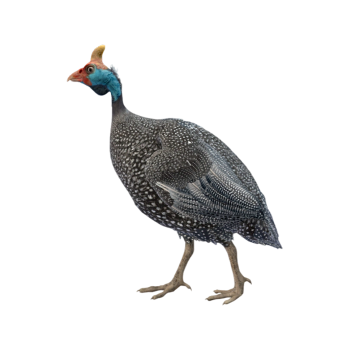
Guinea fowl (3D animated model)
165 View
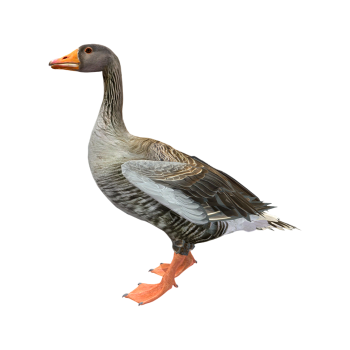
Wild Goose (3D animated model)
187 View
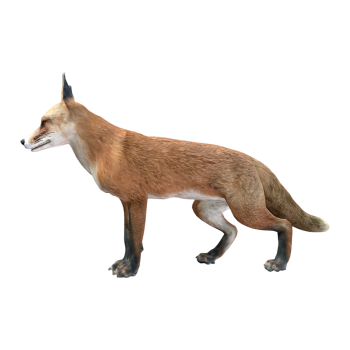
Red Fox (3D animated model)
155 View
Random Model


Roman Catholic Church
894 View

Japanese catalpa beetle
1060 View
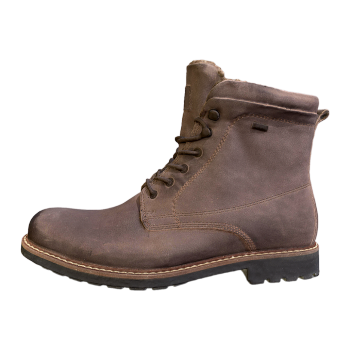
Adidas Pisco winter shoes
697 View

Golden Toad Mirror Pilot Sunglasses
997 View
Kitchen Design
458 View

Emergency exit indicator light - front
1006 View

Retro Military Technology Radio
720 View
